sustainability
SAS International takes FIS sustainability award for Recover ceiling tile take-back scheme
The metal ceilings manufacturer won the Sustainable Innovation category at the FIS Innovation Awards 2026 for a scheme that remanufactures end-of-life tiles at its Bridgend factory and resells them recertified and rewarranted.
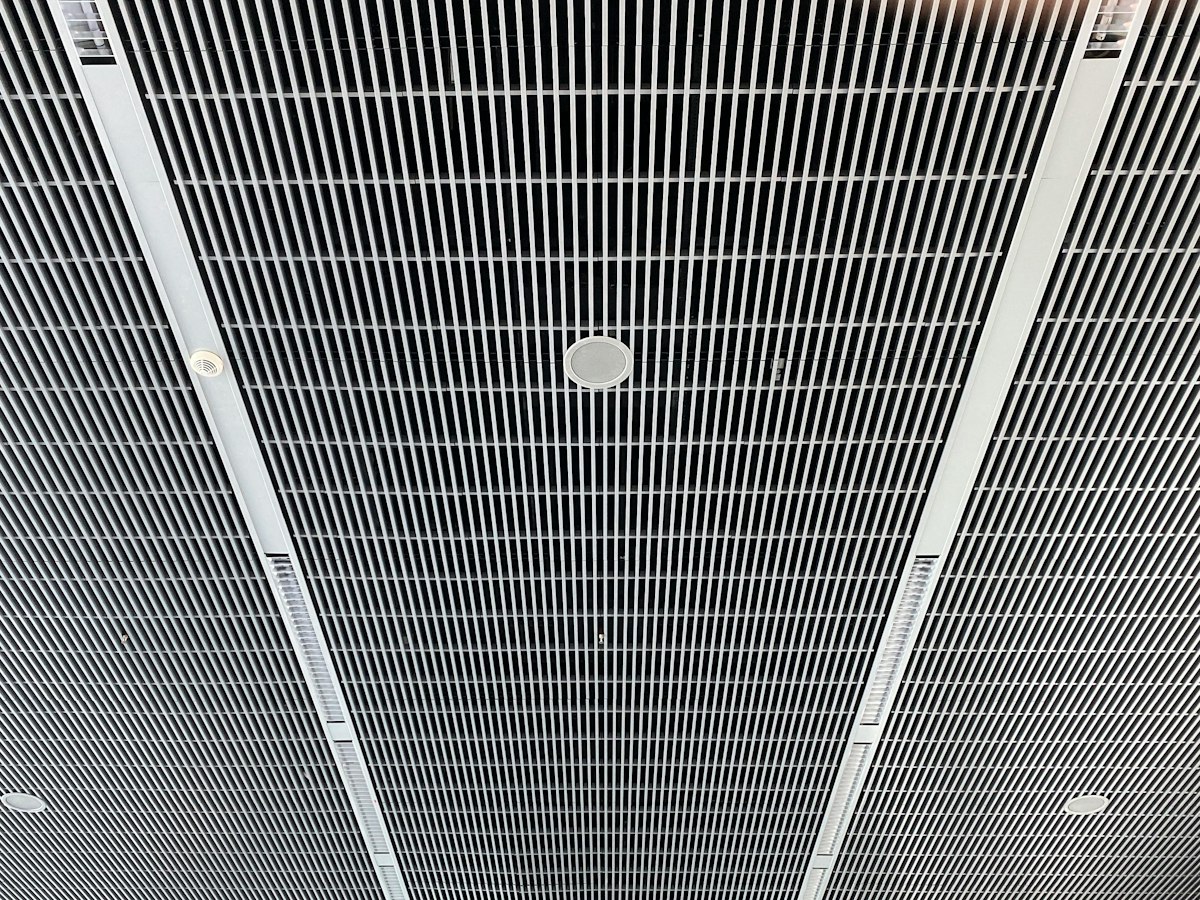
SAS International has won the Sustainable Innovation Award at the FIS Innovation Awards 2026 for SAS Recover, a scheme that takes back end-of-life metal ceiling tiles and returns them to market as recertified, rewarranted products.
The Finishes and Interiors Sector (FIS) trade body presented the award at its inaugural Innovation Awards Dinner at Whittlebury Park in Northamptonshire on 22 October, where it also named winners in the Product and Digital categories.
The FIS judging panel was direct about what it was rewarding. "While there is technically nothing innovative in this, the business model shows other manufacturers that they need to take producer responsibility seriously. We hope this first mover advantage will ensure the scheme is successful," the panel said.
The judges added that the business model "is a no-brainer and SAS has made it work", according to SAS's announcement of the win.
The scheme
SAS International, a specialist designer and manufacturer of architectural ceilings and metalwork, said the remanufacture and refurbishment work takes place at its Bridgend manufacturing facility in South Wales. Tiles are cleaned, assessed, refinished and restored to an as-new condition.
Depending on their condition, the company said, tiles are either fully remanufactured for reuse, upcycled into other SAS products, or recycled through local processing partners.
By using existing steel rather than virgin material, SAS said it had cut embodied carbon by up to 85%. Its circularity page states that Recover tiles in their second life can have up to 85% less embodied carbon than when first installed, and that new paint-spraying methods use 60% less paint when a tile's colour is changed.
For specifiers, SAS said the Recover process is included in its Cradle to Cradle Certified accreditation and is covered by a third-party verified Environmental Product Declaration (EPD). The company is Cradle to Cradle Certified Silver to version 5.0, having reached Bronze v4.0 in 2023, according to its own timeline. It said metal ceilings can be refurbished and reused with a serviceable life of more than 50 years, and that thousands of tiles have already been rescued from landmark projects and recertified.
Brad Giles, General Manager at SAS International, said: "SAS Recover demonstrates that sustainability and commercial success can go hand in hand."
He said the recognition reflected teams who had challenged conventional thinking to create a genuinely circular solution for metal ceilings.
The awards
FIS said all entries were independently assessed by a panel of expert judges, with a separate panel set up for each category. The awards are open to all companies in the finishes and interiors sector regardless of size, and FIS said they aim to debunk the myth that the sector is not innovative.
SAS beat two other Sustainability finalists: Betan, shortlisted for its independent partition testing service B-Test, and Collins Construction, for its closed-loop Circular Glass Recycling process.
Elsewhere on the night, KOPE won both the Digital award and the overall Innovation of the Year, decided by a live vote, for its AI platform for productisation. British Gypsum took the Product category for its evidence-based Fire Rated Junction (FRJ) Guide.
SAS said SIMONSWERK UK sponsored the Sustainable Innovation award. FIS listed Simonswerk, British Gypsum, Isover and SpecFinish as the event's sponsors.
Background
SAS said Recover sits within a wider sustainability programme that includes photovoltaic generation, water recycling, biodiversity projects and social value programmes. Its sustainability page states that solar PV supports more than 50% of its manufacturing energy use.
The company's timeline records that it set up a manufacturing plant in Maybole, Ayrshire, in 1986, began building the Bridgend factory in 1987 and officially opened it in 1990.
Sources
- SAS International (opens in a new tab) (accessed 2026-10-28)
- FIS (Finishes and Interiors Sector) (opens in a new tab) (accessed 2026-10-28)
- FIS (Finishes and Interiors Sector) (opens in a new tab) (accessed 2026-10-28)
- FIS (Finishes and Interiors Sector) (opens in a new tab) (accessed 2026-10-28)
- SAS International (opens in a new tab) (accessed 2026-10-28)
- SAS International (opens in a new tab) (accessed 2026-10-28)
- SAS International (opens in a new tab) (accessed 2026-10-28)
- SAS International (opens in a new tab) (accessed 2026-10-28)
This story was researched from the primary sources above and checked against them before publication. Spotted an error? Tell us and we will correct it promptly.